
Tanger CEO says retailers are 'discounting to meet the consumer' this holiday seasonLuke FountainLuke Fountain
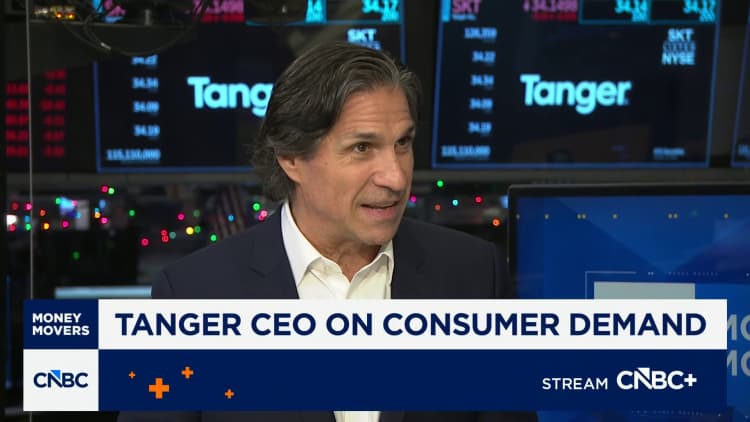
U.S. consumers showed surprising resilience this holiday season, driving retail spending up 4.2% year-over-year despite falling confidence and persistent worries over high prices, according to new data from Visa. The key catalyst: aggressive discounting. As Tanger CEO Stephen Yalof told CNBC, “Retailers are discounting to meet the consumer, and the consumer is responding by shopping.”
Shoppers flocked to outlets and online platforms in search of value, with in-store purchases accounting for 73% of spending while e-commerce sales grew 7.8%. Yalof noted strong traffic at Tanger’s outlet centers, describing customers as “very resilient” and “looking to spend” when presented with compelling deals on premium brands.
Confidence Wanes as Tariffs and Inflation Linger
Beneath the spending surge, however, lies deepening consumer anxiety. The Conference Board’s confidence index fell to 89.1 in December, nearing April lows when Trump’s sweeping tariffs were introduced. A CNBC survey found 41% of Americans planned to spend less this holiday season—up six points from last year—as inflation and economic uncertainty reshape budgets.
This divergence between spending and sentiment underscores a cautious consumption trend: shoppers are willing to open their wallets, but only when promotions align with their perceived value thresholds. As Yalof observed, shoppers embrace higher price points only when they believe they are getting “value priced every day.”
Looking Ahead: Brick-and-Mortar’s Enduring Appeal
Despite the growth of online sales, physical retail remains central to brand strategy. Yalof emphasized that “retailers want stores” and are increasingly seeking to control their own brick-and-mortar presence amid ongoing department store consolidation. This shift suggests that offline experiences—especially in value-oriented formats like outlets—will continue to play a critical role in driving volume even as economic headwinds persist.
As 2026 approaches, the challenge for retailers will be balancing promotional intensity with profitability while navigating a consumer base that is both deal-driven and increasingly financially wary. The holiday performance confirms that demand exists, but it is increasingly conditional on perceived value—a dynamic likely to define the retail landscape well into the new year.
Recent
News



Newsletter
Subscribe to our mailing list to get the new updates!

Subscribe our newsletter to stay updated
Most
Reviews
Markets

Finance

- Fri, 16 Jan 2026
How Iran’s regime retook the streets
Finance
Finance
- Wed, 28 Jan 2026
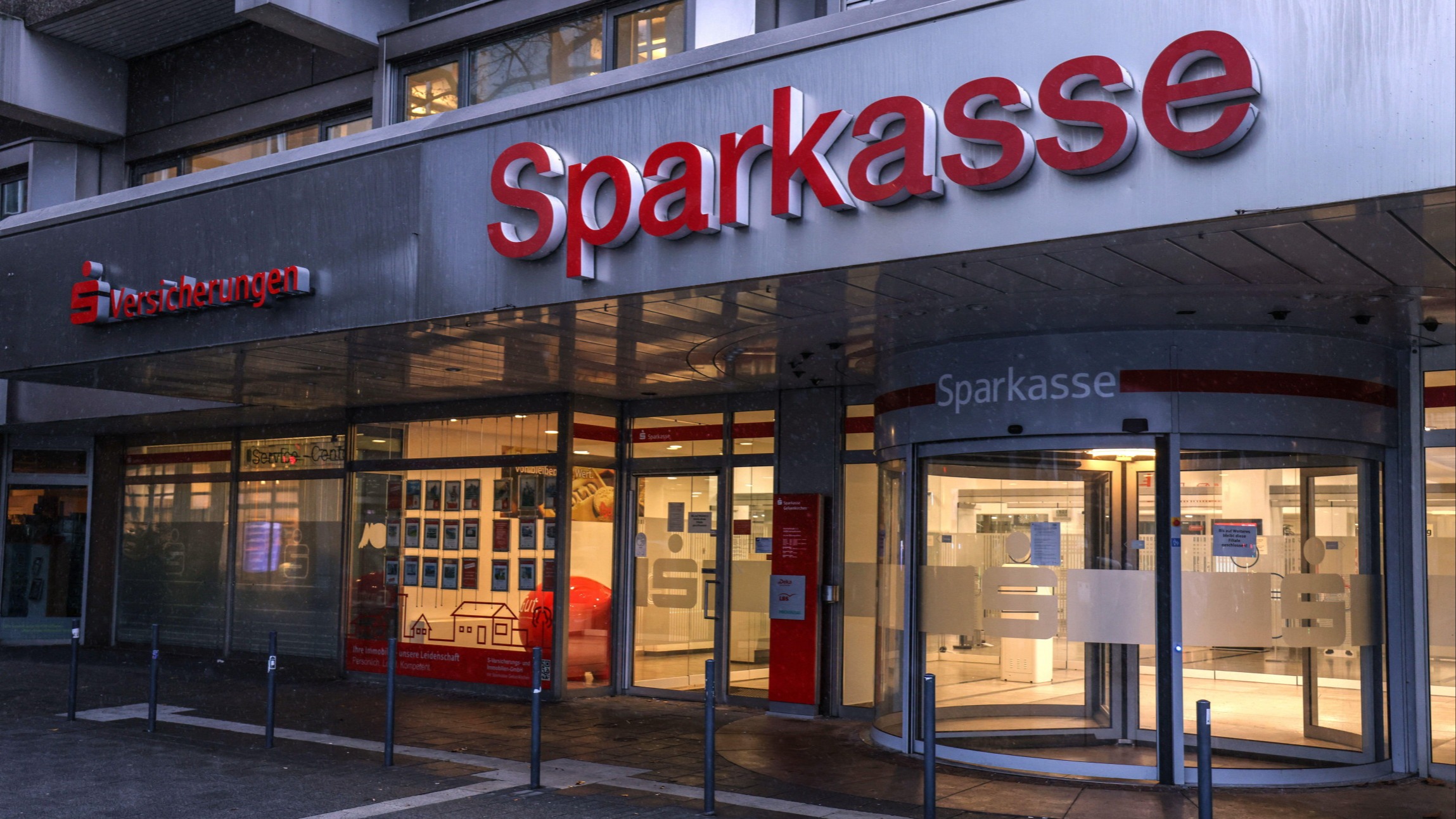
German bank hit with lawsuits after deposit boxes ransacked in heist
Finance